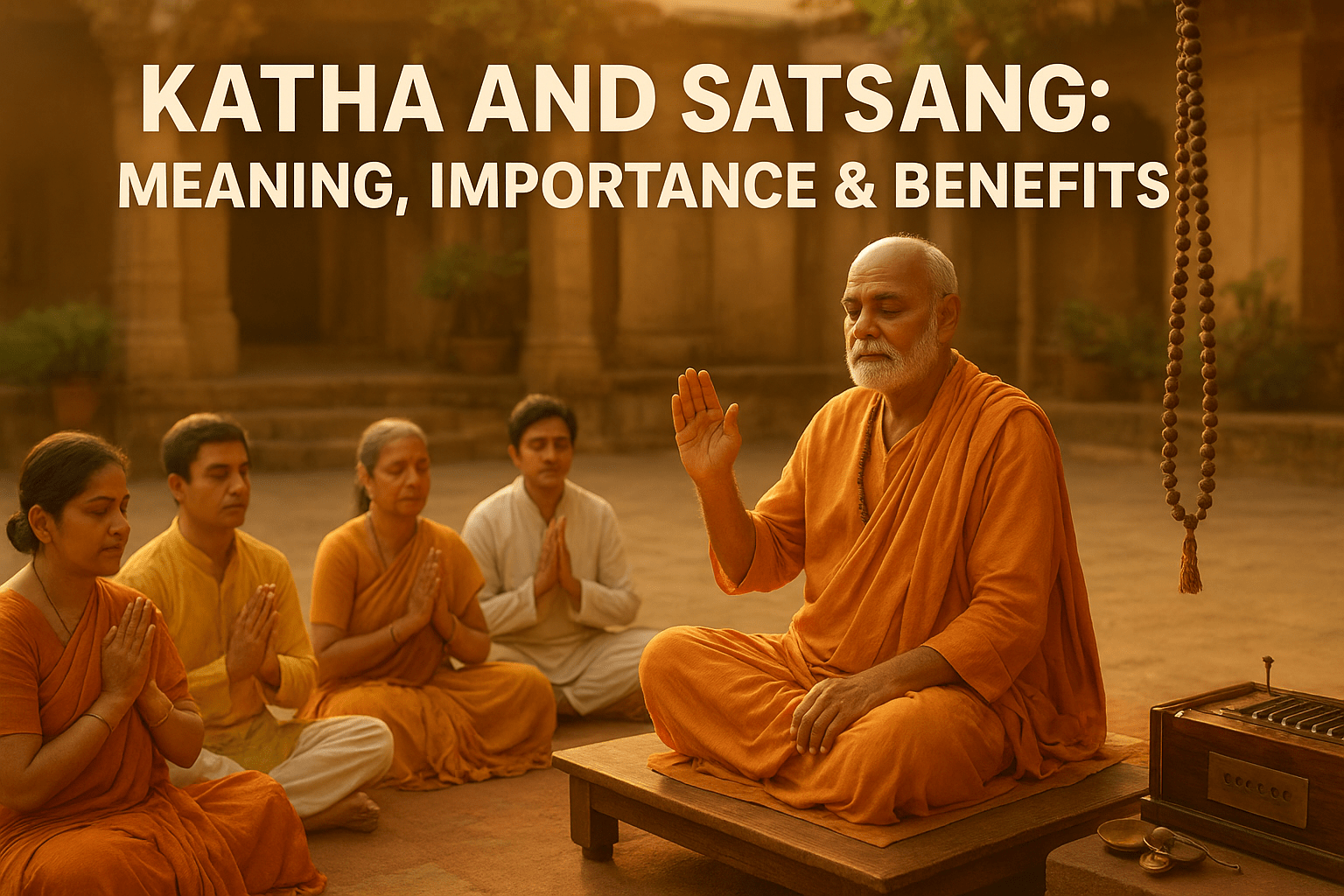
n the spiritual journey, two words often come up — Katha and Satsang. Many people wonder: “Is Katha and Satsang the same or different?” Though both lead us toward devotion and peace, their purpose and practice are slightly different. Both are deeply connected to Naam Jaap — the ultimate path for liberation in Kalyug.
Swami Premanand Ji Maharaj often says that in this age of Kalyug, only Naam Jaap (chanting the divine name) is the true sadhna (spiritual practice). And to strengthen our mind and faith for Naam Jaap, we need regular Katha and Satsang.
📖 What Is Katha?
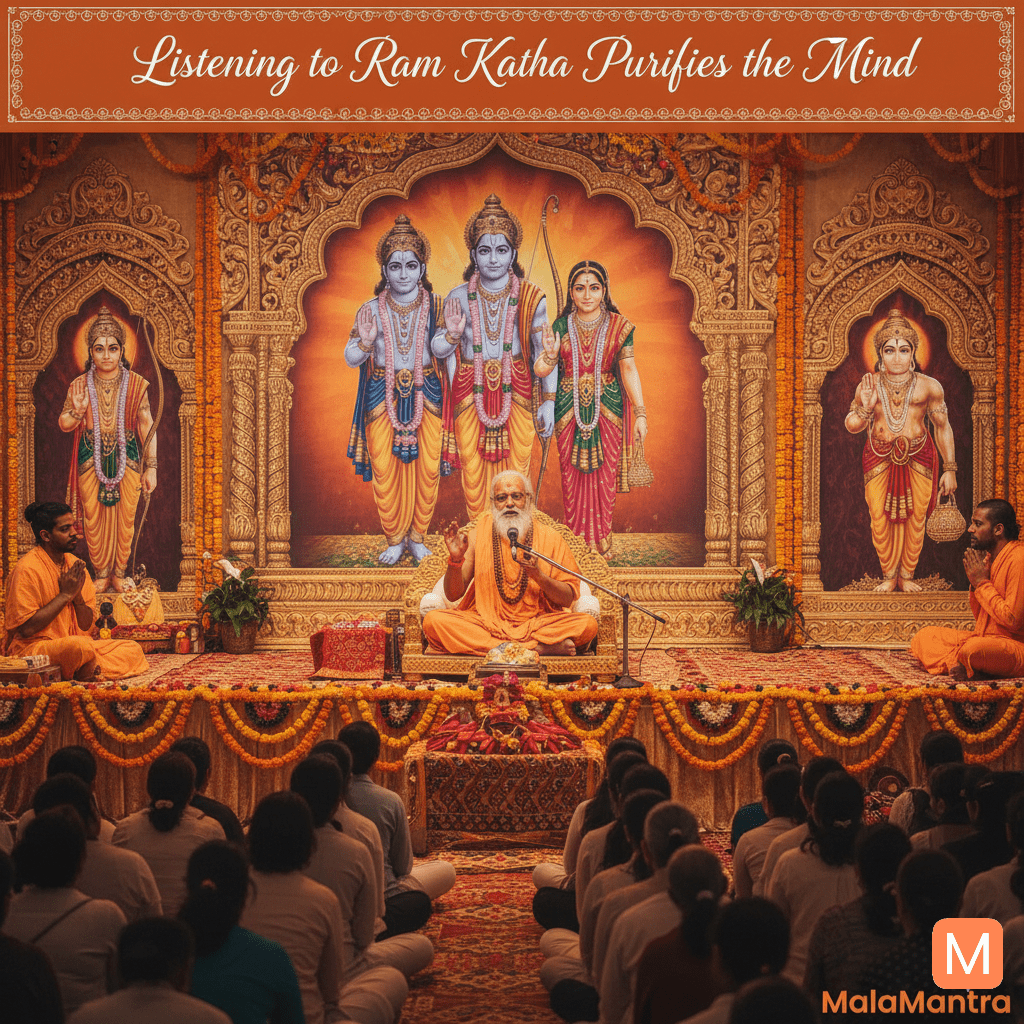
The word Katha means “spiritual storytelling.” It refers to the narration of divine stories from holy scriptures like Shri Ramcharitmanas, Shreemad Bhagwat Mahapuran, or Shiv Puran.
A Kathavachak (spiritual speaker or saint) explains the hidden meanings behind these stories to help devotees understand how to apply those teachings in daily life.
Example:
When we listen to Shri Ram Katha, we learn from Lord Ram’s life — how to live with truth, love, and devotion even in difficult times.
Just as Hanuman Ji is known as “Ram Charit Sunnewa Ko Rasiya” (one who loves listening to Ram’s divine stories), devotees too experience deep joy and purity through Katha.
🕊️ What Is Satsang?
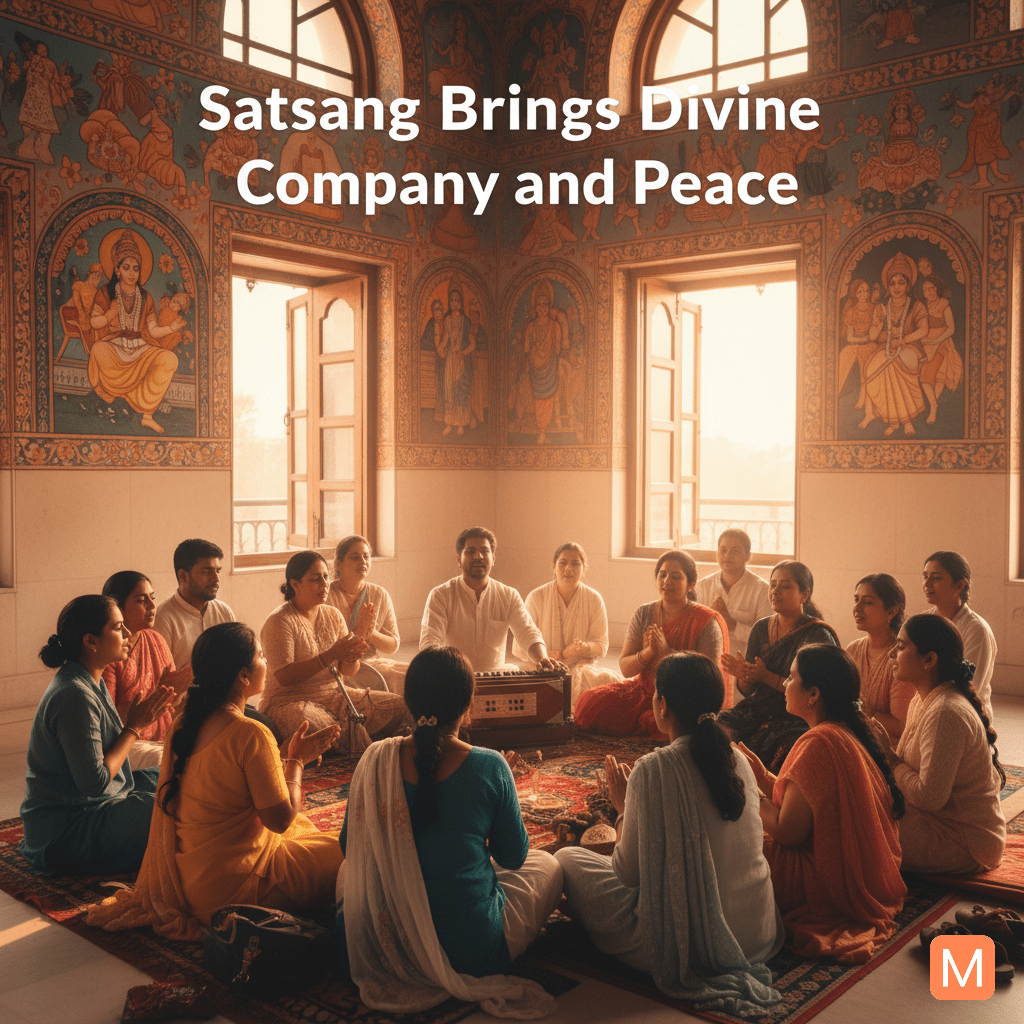
The word Satsang comes from Sat (truth or divine) and Sang (company). It means being in the company of truth, saints, and devotees who remember God together.
In a Satsang, devotees gather to chant mantras, sing bhajans, and listen to the teachings of saints.
Example:
When a group of devotees sit together, sing “Ram Naam”, and discuss divine topics — that’s Satsang. The divine vibration of such a gathering cleanses our mind and fills the heart with peace.
🌸 Are Katha and Satsang the Same or Different?
| Aspect | Katha | Satsang |
|---|---|---|
| Meaning | Storytelling of divine scriptures | Being in the company of truth and devotees |
| Form | Narration by a saint (Kathavachak) | Bhajans, chanting, and spiritual discussion |
| Purpose | To understand God’s leela and teachings | To keep the mind pure and connected to devotion |
| Effect | Increases wisdom (buddhi shuddhi) | Increases devotion (bhakti) and inner peace |
In short:
Katha gives divine knowledge,
Satsang gives divine company.
Together, they purify your thoughts and strengthen Naam Jaap.
🌼 Importance of Katha and Satsang in Spiritual Life
-
Purifies the Mind (Buddhi Shuddhi):
Regular Katha and Satsang remove negative thoughts and awaken divine wisdom. Our mind becomes calmer and purer. -
Strengthens Faith and Devotion:
Listening to saints’ words increases trust in God and inspires us to walk the spiritual path sincerely. -
Reminds Us of God in Kalyug:
In this age of distractions, Katha and Satsang keep us connected to divine remembrance. -
Creates Positive Company:
Being with devotees helps us stay motivated and focused on the path of Bhakti. -
Prepares the Mind for Naam Jaap:
Before deep meditation or chanting, one needs a pure mind. Katha and Satsang prepare that inner ground.
🔱 Kalyug Mein Kewal Naam Jaap Hi Sadhna Hai
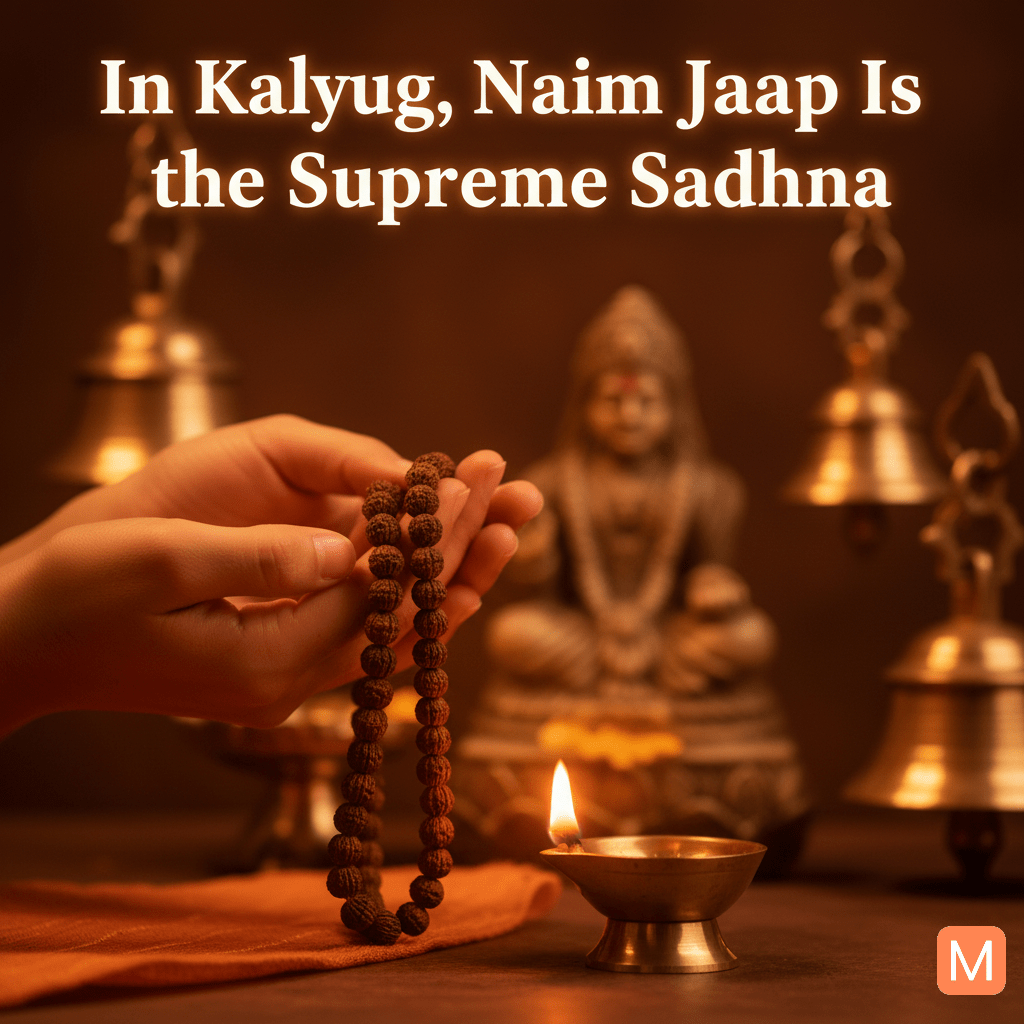
In Kalyug, scriptures say there is no greater path than chanting the Divine Name — Hari Naam.
“Kali Yuga Keval Naam Adhara, Sumir-Sumir Nar Utarahi Para.”
(Saint Tulsidas Ji says: In Kalyug, only Naam Jaap helps a soul cross the ocean of life.)
But for new seekers (sadhaks), it’s not easy to focus the mind on chanting. That’s why Katha and Satsang are like a spiritual foundation — they prepare the heart for deeper Naam Jaap.
When we listen to stories of the Lord, devotion naturally arises. When we sit in Satsang, the divine vibration pulls our mind toward God. Gradually, the soul becomes steady in Naam Jaap.
🌺 Spiritual Benefits of Listening to Katha and Attending Satsang
-
Removes ego, anger, and confusion.
-
Fills the heart with divine love (prem bhakti).
-
Brings peace, joy, and contentment in daily life.
-
Inspires to chant more and live a pure life.
-
Connects us with saintly vibrations and divine grace.
✨ Conclusion
Katha and Satsang are two beautiful ways to experience God in everyday life.
While Katha nourishes the intellect with divine wisdom, Satsang nourishes the heart with divine emotion.
Every new sadhak should regularly listen to saints’ Katha and attend Satsang — because these two open the door to the ultimate sadhna of this age: Naam Jaap.
So, just like Hanuman Ji who rejoiced in listening to Ram Charit, may we also fill our hearts with divine stories, bhajans, and constant remembrance of the Lord.
🌼 “Keep listening, keep chanting, and keep remembering — this is the true path of Bhakti.” 🌼