

The spiritual landscape of India is filled with diverse traditions, and among them, Jangam Jogis hold a unique place. Known for their simplicity, devotion, and wandering lifestyle, Jangam Jogis are deeply rooted in the Shaiva tradition, which centers around the worship of Lord Shiva. In this article, we will explore their history, beliefs, spiritual practices, and modern relevance.
Who Are Jangam Jogis?
The term “Jangam” means “mobile” or “moving,” reflecting the wandering nature of these ascetics. Jogis or Yogis are practitioners of spiritual disciplines, including yoga and meditation. Together, Jangam Jogis are wandering Shaiva ascetics who dedicate their lives to spiritual growth, devotion, and renunciation.
They are often seen visiting temples, performing rituals, singing devotional songs, and guiding spiritual seekers. Their lifestyle emphasizes detachment from material possessions, relying instead on spiritual fulfillment.
Relation of Jangam Jogis with Lord Shiva

According to legend, Jangam Jogis have a direct connection with Lord Shiva. During the marriage of Shiva and Parvati, when Shiva intended to offer Dakshina (sacred gift) to Vishnu and Brahma, they initially refused. To complete the wedding rituals, Lord Shiva is said to have created a group of jogis from his thighs. Because of this origin, they were called Jangam Jogis.
It is believed that these jogis received the Dakshina from Shiva and performed the essential rituals, ensuring that the marriage of Lord Shiva and Parvati was successfully completed. In folklore, without the presence of Jangam Jogis, this divine wedding could not have been accomplished.
Importance of Jangam Jogis
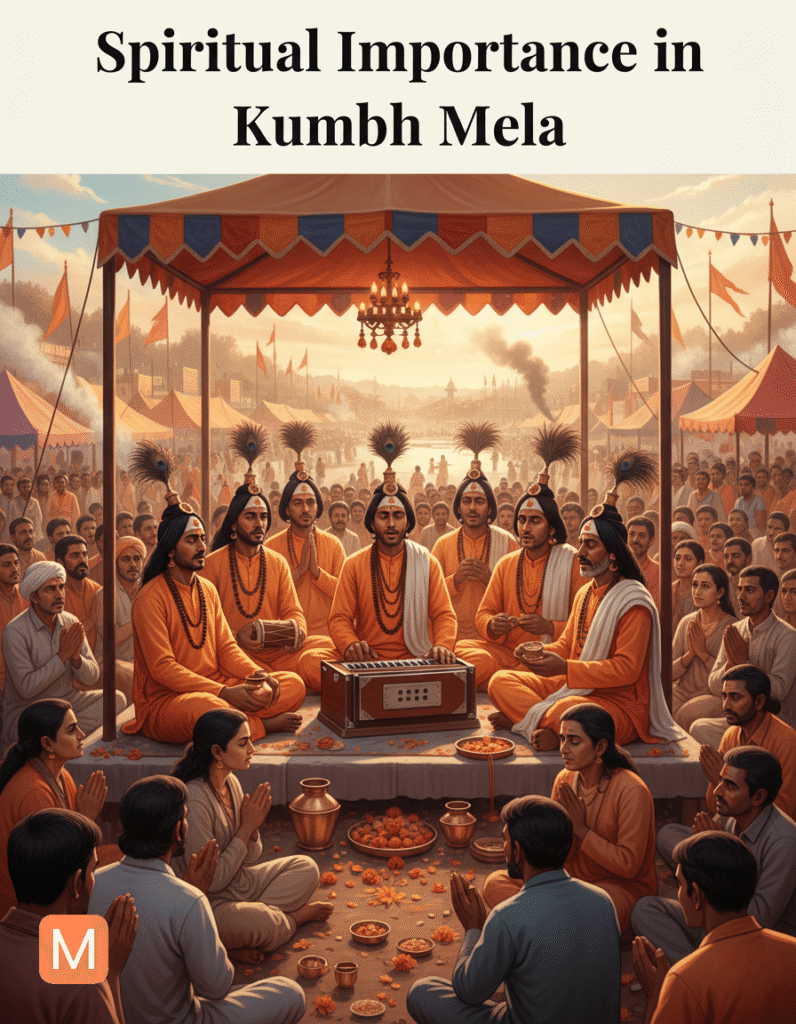
Jangam Jogis hold a special place in Hindu traditions, particularly during large religious gatherings like the Kumbh Mela. Their presence is said to enhance the spiritual atmosphere, as they sing devotional songs dedicated to Lord Shiva and inspire spiritual energy in pilgrims.
During the Kumbh, a group of 10–12 jogis travels together, spreading the traditions and teachings of the Jangam Jogis to people. Traditionally, in many families, one member becomes a Jangam Jogi, renouncing worldly attachments.
Their distinctive attire includes:
-
A Dashnami turban
-
Saffron-colored lungi and kurta
-
A copper pot (guldan) decorated with peacock feathers
-
A special hand instrument called ‘Talli’, used in rituals and devotional practices
These symbols not only identify them but also signify their devotion, simplicity, and dedication to spiritual life.
Beliefs of Jangam Jogis

The philosophy of Jangam Jogis is rooted in Shaivism. Their key beliefs include:
-
Devotion to Lord Shiva – They dedicate their lives to worshiping Shiva.
-
Renunciation – Material possessions and worldly attachments are seen as obstacles to spiritual growth.
-
Meditation and Yoga – Regular spiritual practice helps them achieve higher consciousness.
-
Service to Humanity – Many Jangam Jogis teach, guide, and help communities, emphasizing selfless service.
Spiritual Practices of Jangam Jogis
Jangam Jogis lead disciplined lives centered around spiritual practices, including:
-
Pilgrimage: Traveling to holy sites and temples across India.
-
Meditation & Yoga: Daily practice to maintain spiritual focus and self-discipline.
-
Chanting & Bhajans: Singing hymns and mantras dedicated to Lord Shiva.
-
Simple Living: Wearing minimal clothing and carrying only essential items.
Their wandering lifestyle allows them to experience different communities, share teachings, and stay detached from worldly distractions.
Jangam Jogis in Modern India

Even today, Jangam Jogis exist, though some have adapted to modern times. While many continue their traditional wandering life, others:
-
Run ashrams or spiritual centers.
-
Teach yoga and meditation.
-
Preserve and spread Shaiva traditions.
They are considered living symbols of devotion, discipline, and simplicity, inspiring people to embrace a spiritual path amidst modern challenges.
Conclusion
The Jangam Jogis are more than wandering ascetics; they are spiritual guides and custodians of Shaiva wisdom. Their divine origin, unique traditions, and devoted practices make them an integral part of India’s spiritual heritage. By understanding their history, beliefs, and practices, we can appreciate the richness of India’s ascetic traditions and the timeless pursuit of spiritual growth.