Introduction
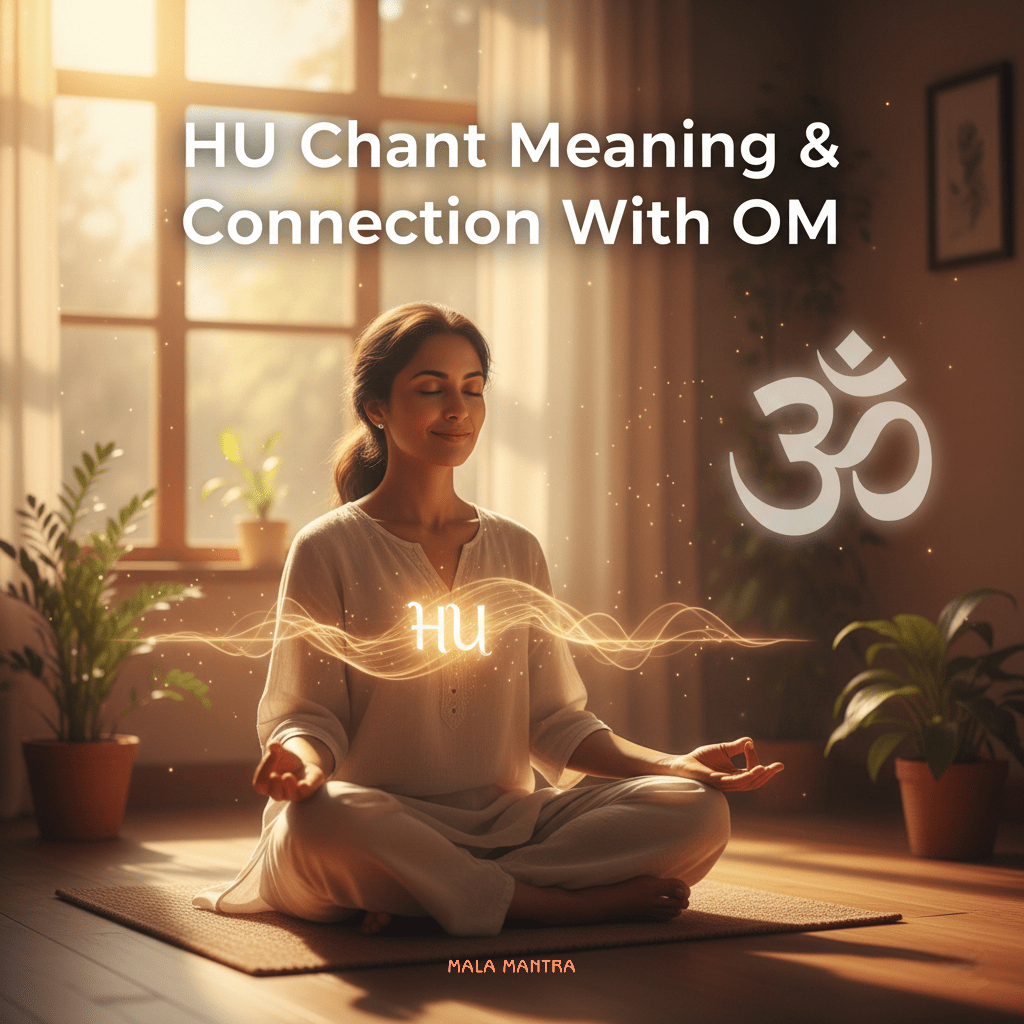
In recent years, many spiritual seekers—especially from USA, Australia, Canada, New Zealand, and Europe—have become curious about the HU meditation sound of Eckankar.
At the same time, Indians and global spiritual learners often ask:
“Is HU similar to OM?”
“Does HU relate to Hindu Naam Jaap?”
“Is HU an ancient mantra?”
This blog explains the meaning of HU, its origins, and its spiritual connection (and differences) with OM and Naam Jaap in Hinduism, in simple language.
What Is the HU Chant in Eckankar?
Origin
HU is the central mantra of Eckankar, a modern spiritual movement founded in 1965 in the United States.
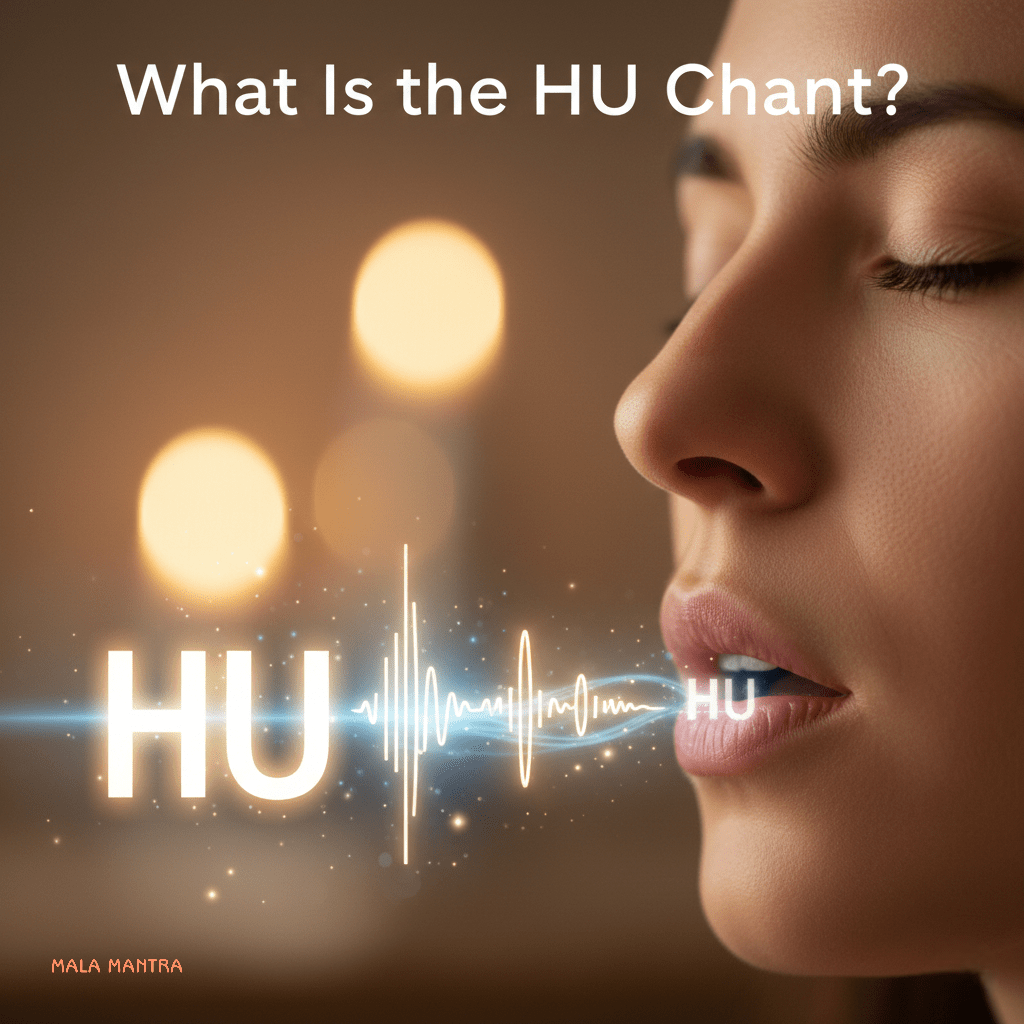
HU is pronounced as:
“Huuuuuuu…” (a long, soft sound)
Meaning of HU
Eckankar calls HU a “love song to God.”
It is believed to:
-
Expand awareness
-
Calm the mind
-
Open the heart
-
Connect with divine light and sound
-
Provide inner peace
How HU is chanted
-
Sit quietly
-
Inhale slowly
-
Exhale while slowly chanting HU
-
Continue for 10–20 minutes
Is HU Found in Hindu Scriptures?
No.
HU is not a traditional Hindu mantra.
Hinduism uses mantras that come from ancient scriptures like:
-
Vedas
-
Upanishads
-
Bhagavad Gita
-
Puranas
The HU chant belongs only to the modern Eckankar tradition.
Similarities: HU, OM, and Naam Jaap
Even though HU does not come from Hindu scriptures, it shares some spiritual similarities with Hindu sound practices.
1. HU and OM: How They Are Connected
✔ Both are sacred sound vibrations
-
OM is called the primordial cosmic sound in Hinduism.
-
HU in Eckankar is considered a divine sound frequency.
✔ Both calm the mind
People chant both for:
-
Mental peace
-
Stress reduction
-
Awareness
-
Inner healing
✔ Both are used in meditation
The practice of repeating a sacred sound exists in many traditions.
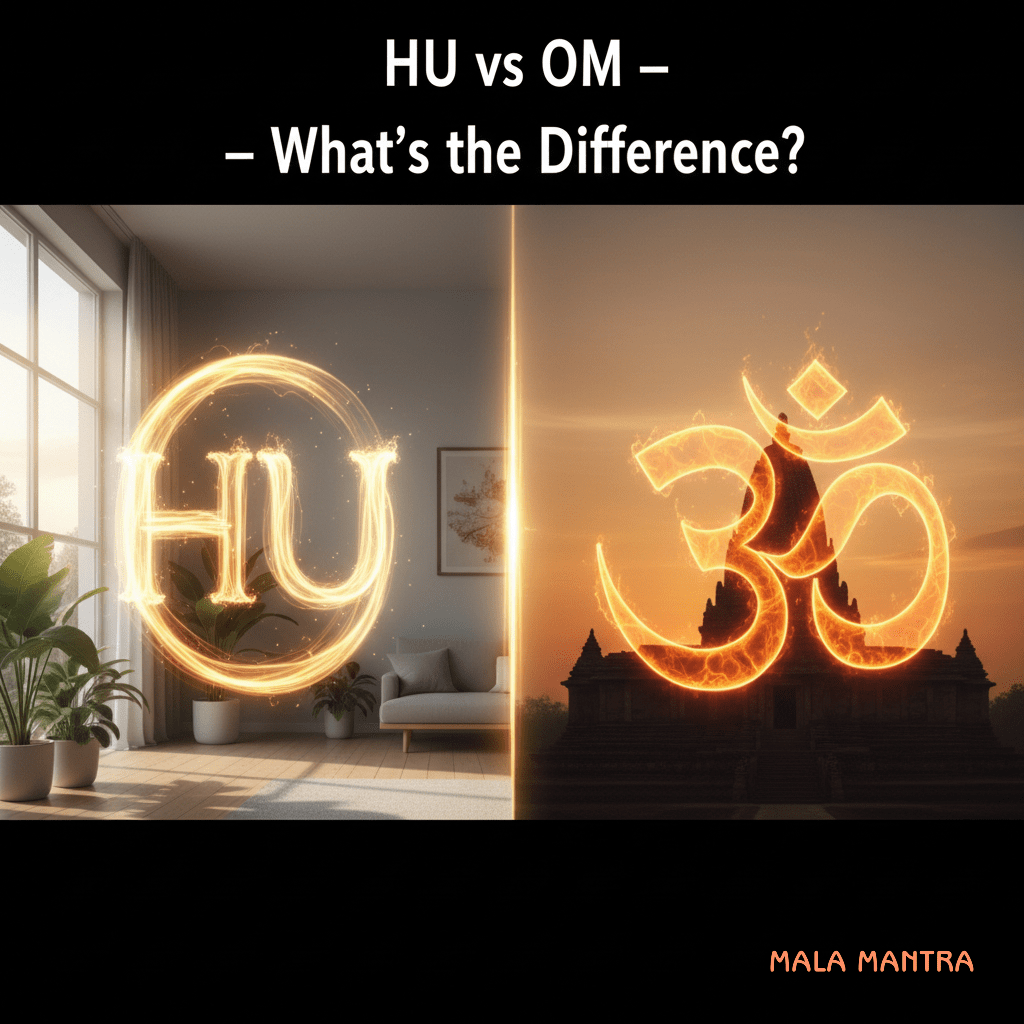
Difference Between OM and HU
❌ 1. Origin
-
OM: Vedic origin (thousands of years old)
-
HU: 1965 (modern American origin)
❌ 2. Meaning
-
OM represents Brahman—the absolute reality.
-
HU represents divine love in Eckankar.
❌ 3. Scriptural base
-
OM is deeply rooted in Upanishads and Bhagavad Gita.
-
HU has no Vedic connection.
❌ 4. Usage
-
OM is used in yoga, meditation, rituals.
-
HU is used only in Eckankar’s spiritual path.
2. HU and Naam Jaap in Hinduism

Naam Jaap means repeating God’s name, such as:
-
Ram Ram
-
Hare Krishna
-
Om Namah Shivaya
-
Radhe Radhe
-
Sita Ram
-
Shiv Shiv
✔ Similarities
-
Both involve repeating a sacred sound.
-
Both aim to bring the mind into devotion and peace.
-
Both are tools for inner purification.
✔ Energetic Connection
HU chanting brings a soft, heart-centered vibration.
Naam Jaap brings devotion, bhakti, and emotional surrender.
Both uplift the mind, but in different spiritual styles.
Difference Between HU and Naam Jaap
❌ 1. Deity Connection
-
Naam Jaap is linked to a deity (Ram, Krishna, Shiva).
-
HU is not connected to any deity or religion.
❌ 2. Purpose
-
Naam Jaap focuses on bhakti, surrender, and divine remembrance.
-
HU focuses on inner awareness, light, and sound.
❌ 3. Tradition
-
Naam Jaap is thousands of years old in Sanatan Dharma.
-
HU belongs to a new spiritual movement.
Can Hindus Chant HU?
Yes, anyone can chant HU.
Eckankar does not restrict anyone.
But remember:
HU is not part of Hinduism, so if you already practice:
✔ Om chanting
✔ Ram Naam
✔ Hare Krishna Mahamantra
✔ Shiv Naam
✔ Devi mantras
…you may not need HU.
Still, some people like to explore HU for mental peace, sound healing, and heart-centered meditation.
How HU Followers Explain Its Power

Eckankar practitioners believe HU:
-
Opens the heart chakra
-
Brings spiritual clarity
-
Helps in emotional healing
-
Connects soul to divine sound currents
-
Improves dream awareness
-
Supports inner peace
These are similar to the benefits people feel with OM chanting.
Comparison Table: HU vs OM vs Naam Jaap
| Element | HU (Eckankar) | OM (Hinduism) | Naam Jaap (Hinduism) |
|---|---|---|---|
| Origin | 1965, USA | Ancient Vedic | Ancient Bhakti tradition |
| Scripture | None | Vedas & Upanishads | Puranas, Bhakti texts |
| Meaning | Love song to God | Cosmic sound | Divine name repetition |
| Style | Sound meditation | Yogic sound | Devotional chanting |
| Deity Connection | None | Universal sound | Linked to deities |
| Purpose | Awareness | Spiritual awakening | Bhakti, devotion |
FAQs
1. Is HU older than OM?
No. OM is thousands of years old; HU is modern.
2. Is HU a Hindu mantra?
No. HU belongs to Eckankar, not Hinduism.
3. Can OM and HU be chanted together?
Yes, but it’s better to focus on one practice at a time for deep results.
4. Which is more powerful?
It depends on your belief system.
For Hindus, OM and Naam Jaap carry scriptural power.
5. Does HU have healing properties?
Many followers experience emotional and mental healing through HU meditation.
Conclusion
The HU chant of Eckankar and the OM/Naam Jaap of Hindu traditions may share similarities, but they come from completely different origins.
-
OM and Naam Jaap are ancient, devotional, and rooted in Indian scriptures.
-
HU is modern, neutral, and focused on inner sound meditation.
Both can bring peace, clarity, and spiritual growth—depending on what resonates with your heart.