
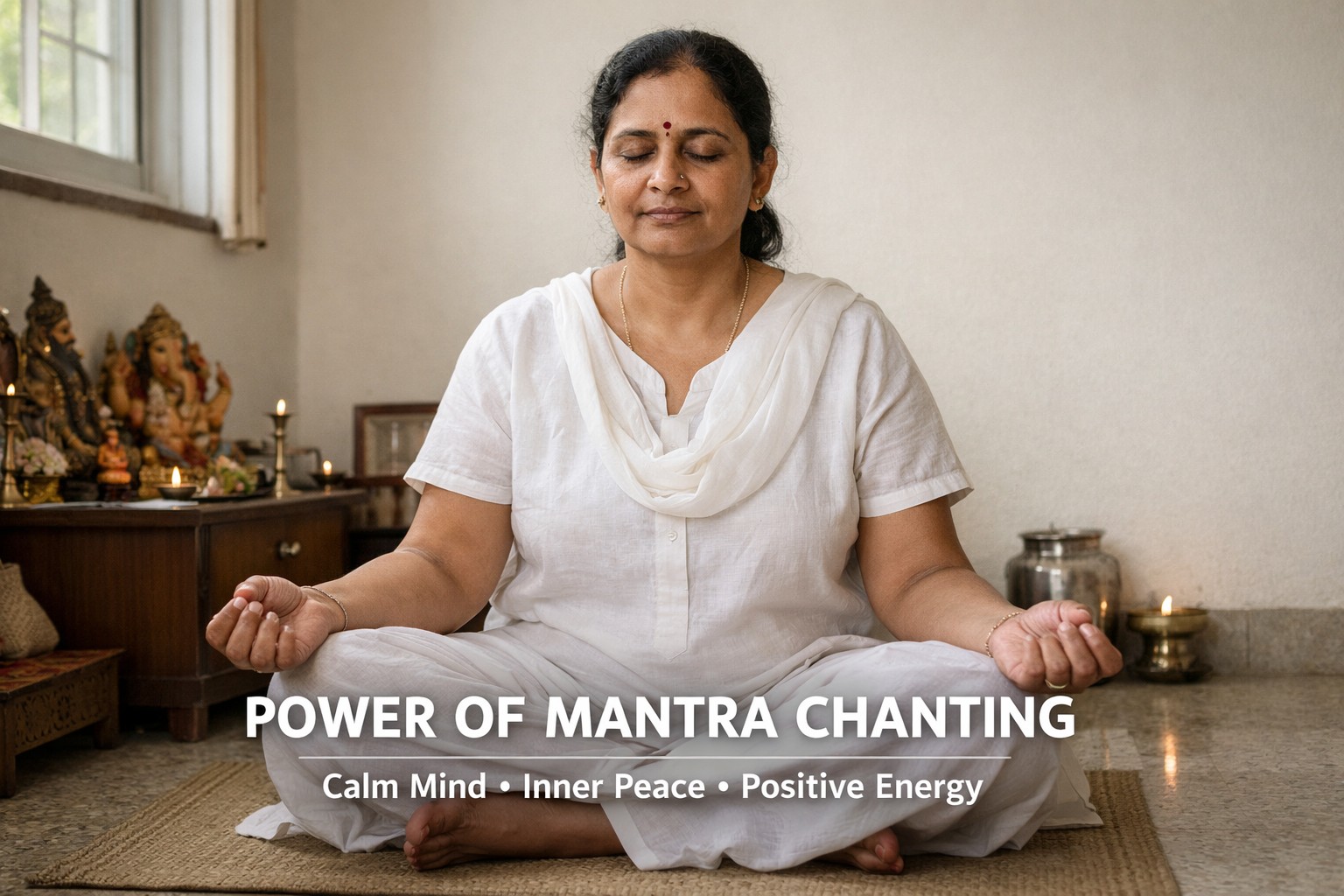
Across cultures and centuries, human beings have used sound as a way to calm the mind and connect with something deeper within. One of the most powerful forms of sacred sound practice is mantra chanting.
For thousands of years, seekers, monks, and ordinary people alike have repeated specific sounds or phrases to bring peace, clarity, and spiritual awareness.
But what exactly makes mantra chanting so powerful? How does it influence the mind and body? And is it something every person can practice safely?
Let’s understand this step by step.
What Exactly Is a Mantra?
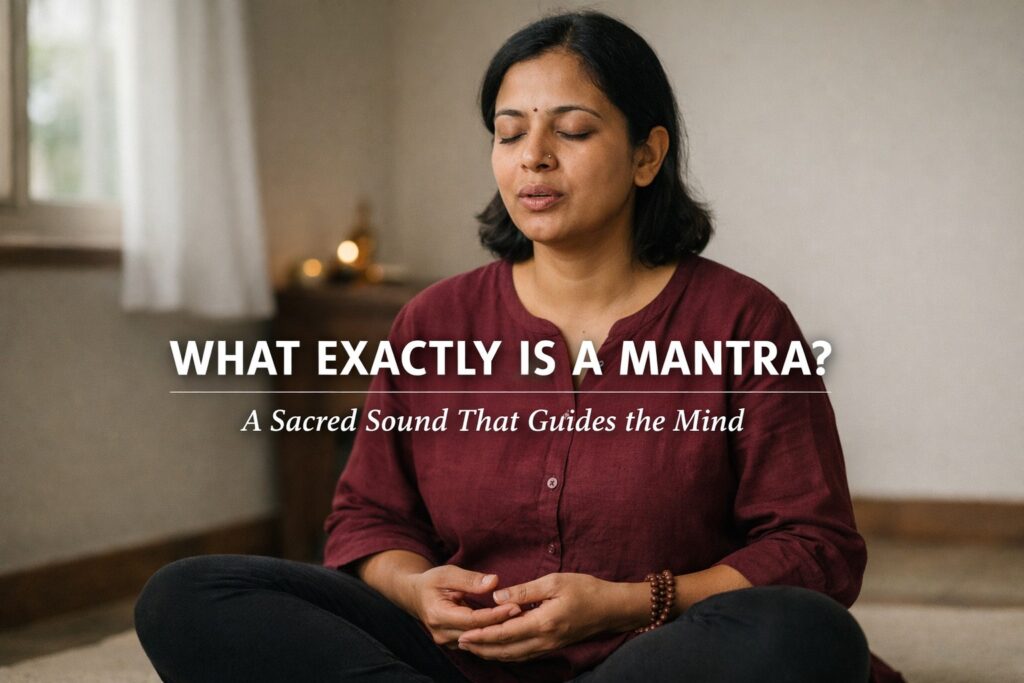
A mantra is a sound, word, or phrase that is repeated intentionally to influence the mind and inner state of a person.
The term comes from Sanskrit:
-
Man — mind
-
Tra — instrument or tool
In simple words, a mantra is a tool that helps guide and stabilize the mind.
When repeated with awareness, it creates rhythm in thoughts, reduces distractions, and channels mental energy in one direction.
Why Do People Chant Mantras?
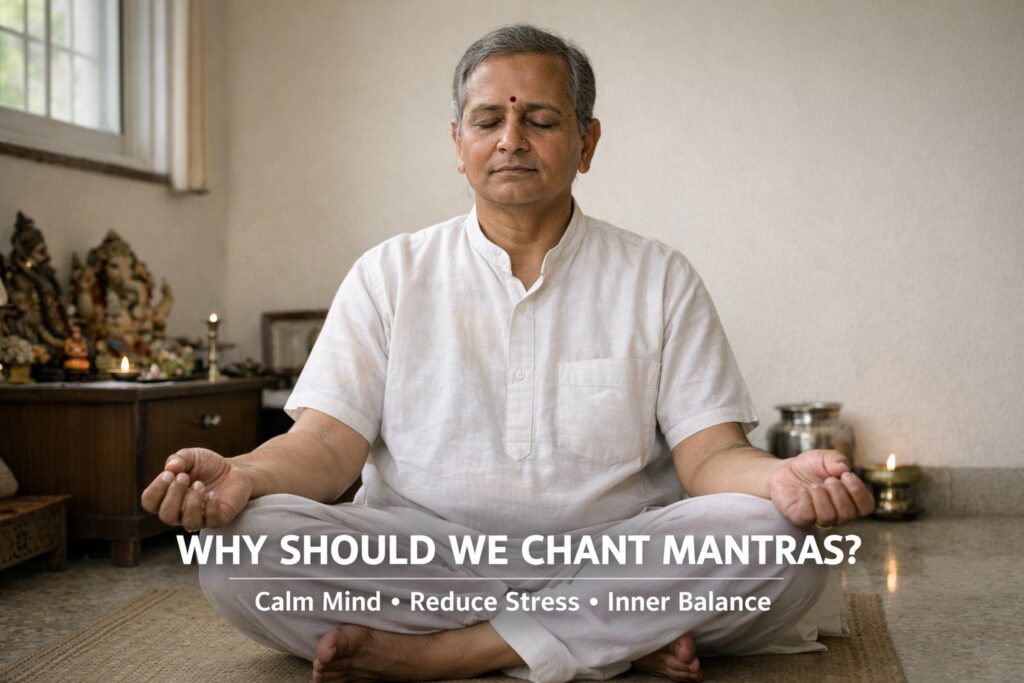
Many people think mantra chanting is only a religious ritual. In reality, it is also a mental and vibrational discipline.
People practice mantra chanting to:
✔ Quiet mental restlessness
✔ Release stress and emotional pressure
✔ Improve focus and memory
✔ Feel connected to something meaningful
✔ Generate positive inner energy
✔ Stabilize emotions
✔ Cultivate inner calm
✔ Strengthen self-control and awareness
The repetition acts like a mental anchor. Instead of scattered thoughts, the mind begins to follow a steady pattern.
Benefits of Regular Mantra Practice
Mental Well-Being
Regular chanting helps slow down excessive thinking. It can improve concentration, reduce anxiety, and create emotional balance.
Emotional Stability
Sound repetition produces a soothing effect that promotes patience, compassion, and emotional resilience.
Physical Relaxation
Because chanting regulates breathing, it naturally relaxes the body. Many people experience slower heart rate, calmer nerves, and reduced physical tension.
Inner Awareness
Mantra repetition supports meditation by helping attention move inward. Over time, it creates a deeper sense of presence and self-understanding.
How Mantra Influences the Body
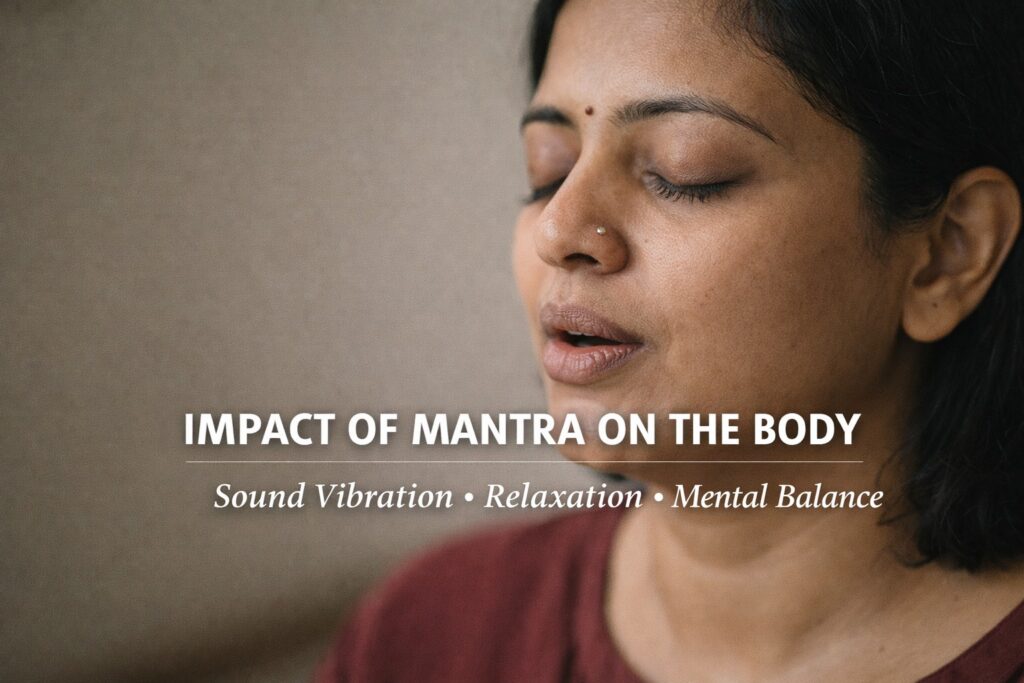
Mantra is not only a mental activity — it is also physical vibration.
When you chant:
-
The vocal sound produces measurable vibrations
-
These vibrations travel through the chest, throat, and skull
-
Breathing becomes steady and rhythmic
-
The nervous system shifts toward relaxation
Research in sound and meditation suggests that repetitive vocal patterns can move the brain into deeply relaxed states. These states are associated with healing, emotional balance, and reduced stress response.
In addition, slow rhythmic chanting stimulates the body’s relaxation pathways, helping restore internal balance.
Different Categories of Mantras
Not all mantras serve the same purpose. They are traditionally grouped based on intention and function.
Seed Sounds
Short, powerful syllables believed to carry pure vibrational energy.
Devotional Mantras
Used to express reverence, love, or surrender.
Healing Mantras
Focused on restoring emotional or physical harmony.
Meditation Mantras
Designed to quiet thoughts and deepen stillness.
Personal Mantras
Chosen for specific goals such as confidence, peace, or clarity.
Can Mantras Ever Cause Harm?
For most people, simple mantra chanting is completely safe.
However, difficulty may arise when:
-
Very complex mantras are practiced incorrectly
-
Chanting becomes forced or obsessive
-
The intention behind chanting is negative
-
Advanced practices are attempted without guidance
Gentle, mindful repetition for daily well-being carries no risk.
Best Mantras for Everyday Life
For daily use, simplicity is key.
A suitable daily mantra should be:
✔ Easy to pronounce
✔ Short and rhythmic
✔ Emotionally calming
✔ Flexible enough to repeat anytime
✔ Free from complicated rules
Even a few minutes of sincere chanting each day can bring noticeable calmness.
How to Begin a Simple Chanting Practice
You don’t need special preparation. Just follow these steps:
-
Sit in a relaxed position
-
Let your breathing slow down
-
Repeat your chosen mantra softly or mentally
-
Keep attention on the sound or vibration
-
Continue for several minutes
Regularity is more important than duration. A small daily practice is more powerful than occasional long sessions.
Final Thoughts
Mantra chanting is a timeless method of working with the mind through sound. It combines rhythm, breath, and awareness into a single practice that influences both mental and physical states.
It is not limited to spiritual seekers or religious followers. Anyone who wishes to experience calmness, focus, and emotional balance can benefit from it.
With patience and consistency, mantra chanting becomes more than a practice — it becomes a natural way of maintaining inner harmony.