
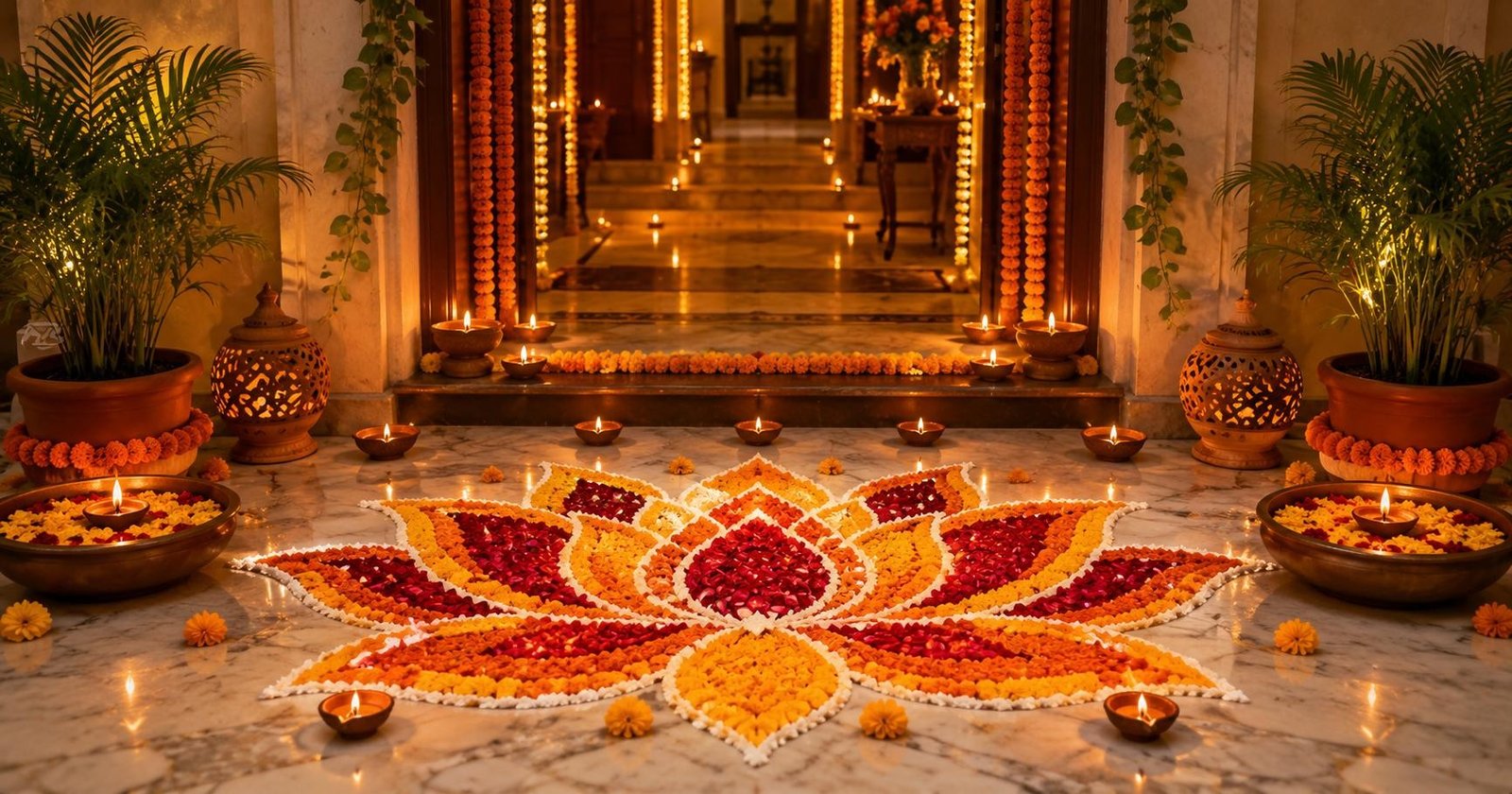
Diwali is one of the most loved festivals in Hinduism. It is celebrated with beautiful diyas, colourful rangoli, prayers, sweets and family gatherings. But beyond the celebrations, Diwali also carries a deeper spiritual meaning. It reminds us that light can overcome darkness, knowledge can overcome ignorance, and goodness can overcome negativity.
For many devotees, Diwali is a time to worship Goddess Lakshmi, Lord Ganesha and other deities, express gratitude, help those in need and begin new spiritual habits.
You do not need to follow complicated rituals to make the festival meaningful. Even a few simple practices, performed with devotion and a peaceful mind, can help you connect with your faith.
Here are 11 simple spiritual practices you can follow on Diwali 2026 for peace, prosperity and spiritual growth.
1. Light a Diya With Devotion
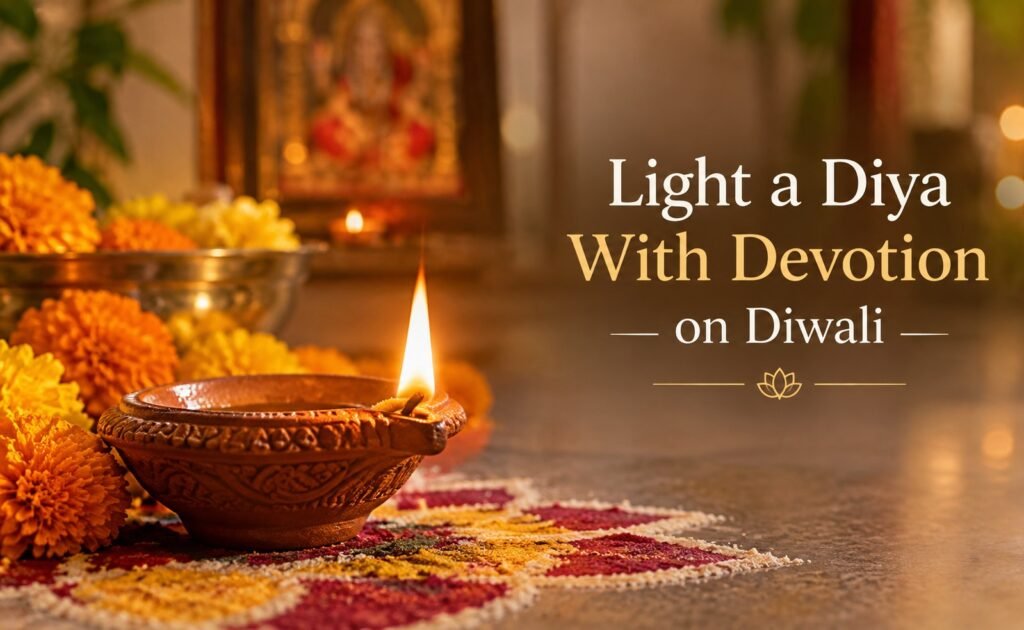
Lighting diyas is one of the most important traditions of Diwali. In Hindu spirituality, a diya represents light, hope, wisdom and the removal of darkness.
Many families light earthen lamps near their home temple, at the entrance and in other suitable places around the house. The warm light creates a peaceful atmosphere and reminds us to bring positive qualities into our lives.
When lighting a diya, take a moment to pray sincerely. You can ask for wisdom, peace, good health and the strength to follow the right path.
The deeper meaning of this tradition is not limited to lighting a lamp outside. It also encourages us to remove anger, jealousy and negative thoughts from within.
2. Worship Goddess Lakshmi and Lord Ganesha
Lakshmi Puja is a central part of Diwali celebrations in many Hindu households. Goddess Lakshmi is associated with wealth, prosperity, abundance and good fortune. Lord Ganesha is worshipped as the remover of obstacles and the deity of wisdom and auspicious beginnings.
Devotees traditionally worship both deities during Diwali because prosperity and wisdom are considered important companions. Wealth becomes more meaningful when it is used responsibly, while wisdom helps us make better decisions.
Before beginning your puja, clean the worship area and arrange the required items. Offer flowers, light a diya and incense if appropriate, and pray with a calm mind.
Remember that sincere devotion, gratitude and ethical actions are important parts of spiritual life.
3. Chant a Lakshmi Mantra
Mantra chanting is a simple way to focus your mind during Diwali. You can chant a traditional Lakshmi mantra before or during your puja, according to your family tradition.
One commonly recited mantra is:
ॐ श्रीं महालक्ष्म्यै नमः॥
Om Shreem Mahalakshmyai Namah.
Meaning: I bow to Goddess Mahalakshmi and offer my reverence to her.
You can chant this mantra slowly and attentively, repeating it a number of times that feels comfortable. Some devotees use a japa mala to keep count of their repetitions.
Rather than rushing through the mantra, focus on its sound and meaning. Let your prayer become an opportunity to cultivate gratitude, patience and a generous attitude.
4. Practise Naam Jaap for Inner Peace
Diwali is not only a time for external celebrations but also an opportunity to strengthen your spiritual connection. Naam jaap, or the repetition of God’s name, is a simple devotional practice followed by many Hindu traditions.
You can chant the name of your chosen deity, such as:
- Hare Krishna Mahamantra: Hare Krishna Hare Krishna, Krishna Krishna Hare Hare, Hare Rama Hare Rama, Rama Rama Hare Hare.
- Shri Ram Naam: Shri Ram Jai Ram Jai Jai Ram.
- Om Namah Shivaya: A sacred mantra dedicated to Lord Shiva.
- Radhe Radhe: A beloved devotional name associated with Radha Rani.
Choose a name or mantra that is meaningful to you and repeat it with devotion.
You may practise naam jaap in the morning, before Lakshmi Puja or after your evening prayers. Even five to ten minutes of quiet chanting can give you time to pause, reflect and reconnect with your spiritual values.
There is no need to compete with others or focus only on the number of repetitions. Consistency and sincerity matter more than showing off your practice.
5. Clean Your Home and Your Puja Space
Cleaning the home before Diwali is a long-standing Hindu tradition. Many families associate cleanliness and an organised home with welcoming Goddess Lakshmi.
From a spiritual perspective, cleaning can also become a symbolic act of removing clutter from our surroundings and making space for better habits.
Start by cleaning your puja area, arranging your prayer items and removing unnecessary clutter. Keep the entrance clean and decorate it with rangoli or flowers if you wish.
You can also use this time to reflect on the habits you would like to leave behind. Just as you clean your home, consider letting go of resentment, dishonesty and unnecessary arguments.
The purpose is not to make the house perfect but to create a welcoming, peaceful environment for prayer and family time.
6. Donate Food, Clothes or Other Useful Items
Daan, or charitable giving, has an important place in Hindu spiritual traditions. Diwali can be a meaningful occasion to share what you have with people who need support.
You could donate groceries, clothes in good condition, educational supplies or money to a trustworthy charitable organisation. You may also offer food to someone who is hungry or support a local community initiative.
The value of charity is not determined only by the amount donated. A small contribution given with genuine care can also make a difference.
If possible, make your donation respectfully and without expecting praise or a reward. Giving with humility helps shift the focus from personal gain to compassion.
7. Offer Food and Practise Gratitude
Food is an important part of Diwali celebrations. Families prepare sweets and traditional dishes, and many devotees offer bhog to their chosen deities during puja.
You can prepare a simple offering according to your family customs. Fruits, sweets or other suitable vegetarian foods are commonly offered, depending on the deity and tradition.
Before eating, take a moment to express gratitude for the food, the people who prepared it and the resources that made it possible.
You can also share your food with family members, neighbours or people in need.
This simple practice reminds us that food should not be taken for granted. Gratitude can turn an everyday activity into a meaningful spiritual moment.
8. Spend a Few Minutes in Meditation
Diwali can be busy, with shopping, cooking, guests and preparations. Taking a few quiet minutes for meditation can help you slow down and become more aware of your thoughts.
Sit comfortably in a clean and quiet place. Close your eyes if you feel comfortable doing so, relax your shoulders and breathe naturally.
Focus on your breathing or silently repeat the name of your chosen deity. When your mind wanders, gently bring your attention back.
You do not need to meditate for a long time. Start with five minutes and continue for longer if it feels helpful.
Use this time to reflect on what matters most to you, the lessons you have learned and the qualities you want to develop in the coming year.
9. Visit a Temple or Pray at Home
Visiting a temple on Diwali is a tradition followed by many devotees. Temples may hold special prayers, devotional singing and other religious ceremonies during the festival.
If visiting a temple is convenient, you can go with your family and participate respectfully in the worship. Check the temple’s schedule beforehand because timings may differ on festival days.
If you cannot visit a temple, you can pray at home. Offer a flower, light a diya safely and spend a few moments remembering your chosen deity.
Spirituality does not depend only on where you pray. A sincere prayer at home can also be a meaningful part of your Diwali celebration.
10. Forgive Others and Let Go of Negative Feelings
Diwali symbolises the victory of light over darkness. This idea can also inspire us to work on the darkness we sometimes carry in our own hearts.
Anger, jealousy and resentment can affect our relationships and peace of mind. The festival offers an opportunity to reflect on these feelings and consider a better way forward.
If there has been a misunderstanding with someone, consider taking a respectful step towards reconciliation. You might apologise for your own mistake, have an honest conversation or simply decide not to carry an old argument into the future.
Forgiveness does not mean accepting harmful behaviour or ignoring personal boundaries. It means choosing a healthier way to respond when possible.
Begin the new season with a sincere intention to speak kindly, act honestly and treat others with respect.
11. Make a Sankalp for the Coming Year
A sankalp is a sincere intention or commitment. Diwali can be a good time to make a simple spiritual sankalp and work towards it throughout the coming year.
Your sankalp does not need to be complicated. Choose one or two habits that you can realistically maintain.
For example:
- Chant God’s name for five minutes every morning.
- Read a few verses from a sacred text regularly.
- Help someone in need whenever you can.
- Speak truthfully and avoid unnecessary arguments.
- Practise gratitude before going to sleep.
- Spend more quality time with your family.
You can make your sankalp after Lakshmi Puja or during a quiet moment of prayer.
The important thing is to follow through. A small positive habit practised regularly may be more meaningful than a large promise that is quickly forgotten.
What Is the Spiritual Meaning of Diwali?
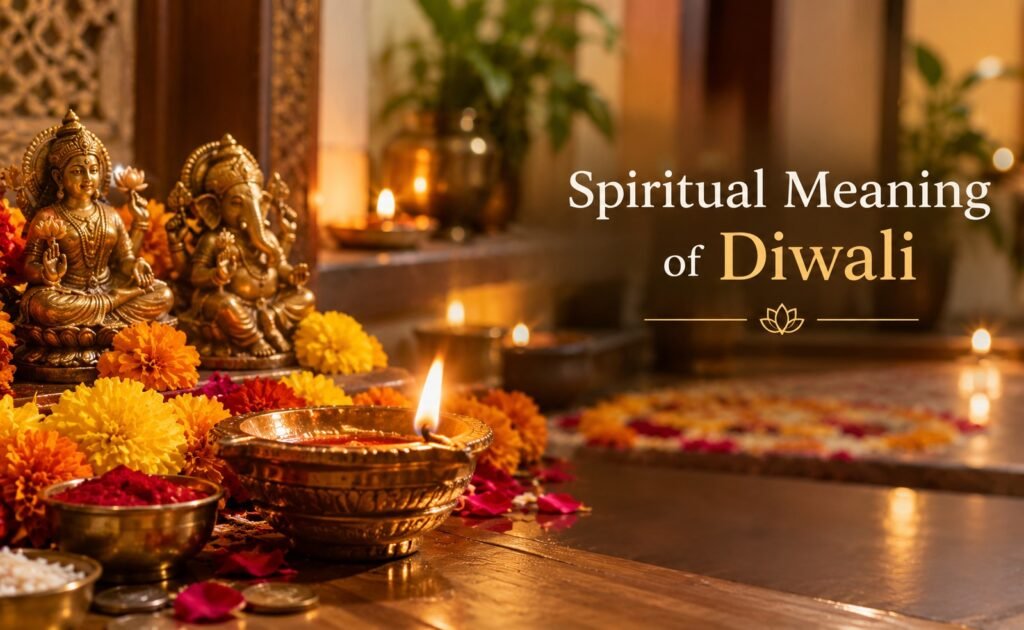
Diwali is commonly understood as a festival of light, hope, renewal and the victory of good over evil. Its religious significance varies across Hindu traditions and regions.
For many Hindus, the festival is associated with the return of Lord Rama to Ayodhya after his victory over Ravana. In other traditions, Diwali is closely connected with the worship of Goddess Lakshmi and the pursuit of prosperity and well-being.
The festival also invites us to reflect on the meaning of light in our own lives. Outer light can symbolise inner wisdom, while cleaning and decorating the home can represent a fresh beginning.
Prayer, naam jaap, charity and gratitude offer practical ways to bring these values into everyday life.
Rather than treating Diwali only as a day of celebration, we can use it as a reminder to live with greater awareness, compassion and responsibility.
Frequently Asked Questions About Diwali Spiritual Practices
1. What are the best spiritual practices to follow on Diwali?
You can light a diya, worship Goddess Lakshmi and Lord Ganesha, chant a mantra, practise naam jaap, donate to those in need, meditate and express gratitude. Choose practices that suit your beliefs and family traditions.
2. Which mantra can I chant on Diwali for prosperity?
One commonly recited mantra dedicated to Goddess Lakshmi is “Om Shreem Mahalakshmyai Namah.” Chant it with attention and devotion as part of your prayer. Spiritual practices should not be treated as a guarantee of financial success.
3. Can I do naam jaap on Diwali?
Yes. Naam jaap is a devotional practice that can be performed on Diwali. You may chant the name of your chosen deity in the morning, during puja or at another peaceful time.
4. Why do Hindus light diyas on Diwali?
Diyas symbolise light, hope and the victory of light over darkness. Lighting them is also associated with traditional Diwali celebrations and, in many households, welcoming auspiciousness.
5. Is charity important on Diwali?
Charity is an important spiritual practice in many Hindu traditions. Donating food, clothes or other useful items is one way to practise compassion and share the blessings you have received.
6. What should I do after Lakshmi Puja on Diwali?
After puja, you can offer prayers of gratitude, chant a mantra, share prasad with family members, help someone in need and spend peaceful time with loved ones. Follow your family customs and the practices of your tradition.
Final Thoughts
Diwali is a beautiful reminder that spirituality can be part of ordinary life. Lighting a diya, chanting God’s name, helping someone in need or making a sincere promise to improve yourself can all become meaningful practices when done with the right intention.
You do not have to follow all 11 practices at once. Choose a few that feel natural to you and make them part of your celebration.
This Diwali, along with decorating your home and enjoying time with your family, take a little time for prayer, gratitude and self-reflection. Let the festival remind you to bring more kindness into your relationships, more honesty into your actions and more peace into your daily life.
May this Diwali bring peace, wisdom, happiness and spiritual growth to you and your family.